
The evolution of gambling a historical journey through time
The Origins of Gambling
Gambling traces its roots back to ancient civilizations, where it was intertwined with various cultural and social practices. The earliest evidence of gambling dates back to around 3000 BC in China, where tiles were discovered that suggest a rudimentary form of a game of chance. Similarly, ancient Egyptians also engaged in betting activities, using dice made from materials like ivory and bone, which signifies that the allure of chance has long captivated human societies. Today, platforms such as https://pawnbet-casino.ca/ showcase this rich history while providing modern gaming experiences.

As civilizations evolved, so did the forms of gambling. The Greeks introduced a more formal approach with games like ‘knucklebones,’ while the Romans created betting systems that incorporated sports, gladiatorial combats, and chariot races. These activities not only entertained but also served as social gatherings, reflecting the cultural norms of their time. Gambling became a way for communities to bond, celebrate victories, and showcase their communal identity.
During the Middle Ages, gambling was often seen as both a pastime and a vice. Despite varying attitudes toward gambling, it persisted and adapted. The invention of playing cards in China around the 9th century led to a new wave of gambling games. Cards traveled along trade routes into Europe, marking a significant transformation in gambling culture, making it accessible to a broader audience. The integration of gambling into daily life began to establish a more organized structure, paving the way for modern gambling.
The Rise of Organized Gambling
By the 17th century, gambling began to take on a more organized form with the establishment of the first public lottery in England. This initiative was designed to raise funds for public projects, marking a significant shift in how gambling was perceived. Lotteries provided a legitimate means of raising money, changing the landscape of gambling from a purely recreational activity to a tool for societal development.
In the 18th century, the proliferation of gambling houses and casinos in Europe further solidified gambling as a fixture of social life. Places like Monte Carlo became synonymous with high-stakes gambling, attracting the wealthy and famous. The introduction of games such as roulette and baccarat in these establishments helped create an aura of sophistication around gambling, fostering a culture where both risk and reward were celebrated.
As the 19th century rolled in, the concept of sports betting gained traction, particularly in the UK and the US. Horse racing became a major event where betting was not only common but encouraged. This period saw the establishment of formal odds, which laid the groundwork for the structured betting systems we see today. With these developments, gambling transitioned from informal social gatherings to formalized sports events and casino experiences, setting the stage for a global industry.
The Impact of Technology on Gambling
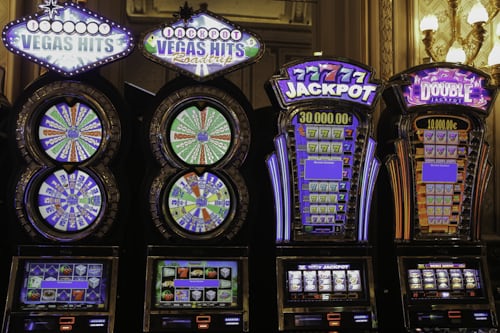
The 20th century marked a significant turning point in gambling due to technological advancements. The introduction of electronic slot machines in the 1960s revolutionized the gambling experience. These machines provided instant gratification and a level of engagement that traditional games could not match. This technological leap led to a massive boom in casino culture, drawing a younger demographic and increasing revenue for the gambling industry.
The rise of the internet in the late 20th and early 21st centuries transformed gambling once again, giving birth to online casinos. Players could now enjoy their favorite games from the comfort of their homes, drastically altering the traditional casino landscape. The convenience of online gambling expanded the audience, allowing for innovations like live dealer games and mobile betting, which catered to the growing demand for accessibility.
Furthermore, blockchain technology has started to make its mark in the gambling sector. Cryptocurrencies offer a level of anonymity and security that traditional payment methods cannot match. As online gambling sites adopt these technologies, they enhance user trust and engagement, leading to a more competitive marketplace. The evolution of gambling through technology illustrates how adaptability is key to the industry’s longevity.
Cultural Perspectives on Gambling
Across the globe, cultural attitudes toward gambling can vary dramatically, influencing how and when it is practiced. In some cultures, gambling is seen as a form of entertainment and a way to socialize, while in others, it is viewed as a vice that can lead to moral decay. For instance, in many Asian countries, traditional games like Mahjong are woven into social gatherings, highlighting their cultural significance and acceptance.
Conversely, in regions like the United States, gambling often faces scrutiny, with legal regulations governing its practice. The rise of gambling in Las Vegas turned it into a cultural phenomenon, yet it also sparked debates around addiction and ethical considerations. This duality reflects how cultural perspectives shape both the acceptance and regulation of gambling, influencing its evolution in different societies.
Moreover, the increasing normalization of online gambling in Western cultures points to a shift in attitudes. As more jurisdictions legalize sports betting and online casinos, gambling is becoming integrated into mainstream entertainment. This evolution underscores the importance of adapting cultural narratives around gambling, from viewing it as taboo to recognizing its role in economic development and social engagement.
PawnBet Casino: A Modern Gambling Experience
Pawnbet casino Canada is a prime example of how the gambling landscape continues to evolve in the digital age. Catering specifically to Canadian players, it offers a wide range of over 9,400 games, including slots, table games, and live dealer options. The platform’s focus on providing a secure and engaging experience showcases how modern casinos are prioritizing user trust and satisfaction, critical factors in today’s gambling environment.
One of the standout features of Pawnbet casino is its generous welcome bonus, offering a 200% match up to 1,500 CAD and 200 free spins. This approach not only attracts new players but also enhances their gaming journey from the outset. With flexible payment options, including cryptocurrency, the platform aligns itself with current financial trends, further broadening its appeal.
Pawnbet casino emphasizes responsible gambling, providing players with the tools they need to make informed decisions. The 24/7 customer support is an integral aspect of their service, ensuring that players feel supported throughout their gaming experience. As the evolution of gambling continues, platforms like Pawnbet casino review exemplify the integration of technology, user-centric designs, and responsible practices, reflecting the future of this dynamic industry.